East Hopewell Township · York County, PA
Drain Cleaning in East Hopewell Township
For farmhouses, rural homes and country properties: one call connects you with an experienced local pro who handles long country runs and septic-tied drains.
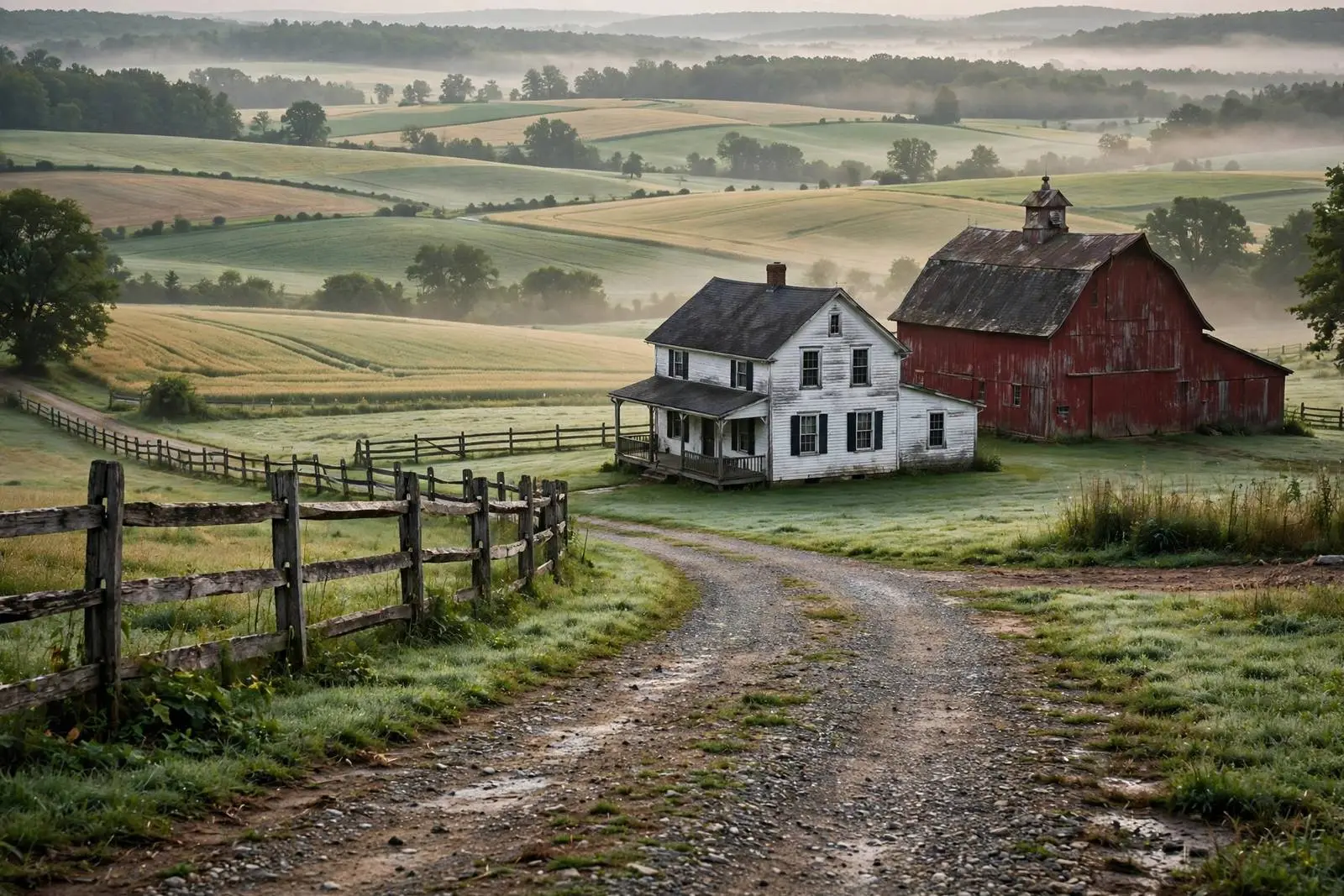
In East Hopewell Township, drain cleaning belongs to country plumbing: older farmhouses beside newer ranch homes, all of it draining toward septic tanks across open yard. Runs here can be long, crossing lawns, garden beds and sometimes a gravel drive to reach the tank. When grease, sludge or roots narrow those runs, the farmhouse kitchen slows first and the whole house follows. Drain cleaning through this service clears the line to the tank and stops there on every rural call: the septic system itself is never part of the job. In East Hopewell Township, a clogged drain often starts with a laundry standpipe overflowing or a basement shower taking on water after a busy morning.
Stewartstown Drain Cleaning Co. is a call-only connector: we connect you with experienced local pros, independent local plumbing professionals, and help for East Hopewell Township homes is a single phone call away. Describe what your drains are doing, and we connect you with a nearby pro where one is available. No forms, no email tag, just a call that moves.
Farmhouses, Ranches and Country Runs
East Hopewell Township is largely rural, and its homes range from older farmhouses to ranch houses and newer homes set back from the road. Many parcels are large, and some share the land with barns, workshops or garden plots. Inside, plumbing varies by era: cast iron and galvanized in the old farmhouses, PVC in the newer builds, and plenty of mixed systems where additions tied new pipe to old.
Drain lines here travel. The building drain leaves the house and crosses open yard, sometimes slipping under a gravel drive or along a fence row, before it reaches the septic tank, and the tank itself may sit a long walk from the back door. Where a property holds a second dwelling or a workshop with its own fixtures, those lines may join the same run or reach the tank on their own path. Mature tree lines send roots toward every joint in the ground, and cleanouts, when they exist at all, hide under grass that has grown over them for years.
Out here, the rural routes mean a technician plans the visit around access: where the drive meets the house, where the tank lid lies, and which fixtures tie into which run. The drain cleaning itself stops at the tank every time.
Drain Cleaning in East Hopewell Township: Where Rural Lines Clog
Distance and roots cause most of the trouble in East Hopewell. Long runs give grease time to cool and settle, and low spots collect sludge between visits until the opening narrows. Trees along fence rows send roots into joints, and a farmhouse line that also serves a workshop or second dwelling carries more load than a single-family run. The early signs are familiar: a kitchen sink that drains slower each month, a washer standpipe that burps, a basement shower that takes on water when the upstairs runs.
Septic-tied symptoms need a clear head. Whole-house slowness with gurgling at the lowest fixture points to the line, and the drain cleaning clears the line to the tank and stops there; the tank and field are septic work, which is outside this service. Storms can also stir things up when groundwater finds old joints, and spring thaw shifts soil around shallow pipe. When every fixture in the house is affected, the blockage sits in the shared run, and that is the line the technician targets first.
Techs who know Stewartstown homes
Speak with a local drain cleaning techPlanning Around Long Rural Runs
A rural visit starts with a walk of the property: from the house to the likely tank location, noting the drive, the tree lines and any cleanout caps poking through the grass. Inside, the technician runs the lowest fixtures to map which drains share the trouble. A camera through the nearest cleanout then shows the truth of the run: grease, roots, a low spot, or a section that has shifted and changed the plan.
Clearing follows what the camera finds, with cable work for roots and heavy buildup and jetting for grease and sludge along the long runs. The technician confirms flow is restored at the fixtures and at the tank inlet, then tells you exactly where the work stopped. Anything beyond the tank belongs to a septic contractor, not drain cleaning, and you will hear that boundary stated plainly, not discovered later.
From the Call to the Farthest Fixture
- Call and describe itSay which fixtures are slow, whether you are on septic, and how far the house sits from the road.
- We connect youYou are put through to an experienced local pro who does drain cleaning in rural homes. The pro arranges the visit directly with you.
- Price firstThe pro explains the options and upfront pricing before any work starts. Nothing happens until you say go.
- Cleared and confirmedThe pro clears the line to the tank, runs water through the house to confirm the flow, and explains what was found and what to watch for.
No hidden fees, straight answers
Get a straight answer by phoneCloser to Town
The closer-in areas and the services that suit long rural runs.
Drain service in Stewartstown Borough
In town, with full basements and older laterals.
Drain cleaning in Hopewell Township
Next door, with township homes and septic-tied drains.
Main drain line cleaning
For rural lines where the whole house slows at once.
Hydro jetting
For grease and scale narrowing a long run to the tank.
Drain camera inspection
To see where roots or low spots are hiding along a rural run.
For the whole area, see drain cleaning in Stewartstown.
One call connects you with a local pro
Call before it gets worseFrequently asked questions
Can you clear drains on a farm with more than one building?
Yes, as long as each building's line can be reached. The technician treats every run on its own: tracing it, finding its access point, and clearing it to the tank. Clearing still stops at the tank on every run, because septic work is never part of what we do. Tell us on the call which buildings are affected so the visit is planned around all of them.
Do you work on septic systems?
No. Drain cleaning stops at the tank inlet, and everything past that point, the tank, the field and anything connected to them, belongs to a septic contractor. The pro clears the drain line so wastewater reaches the tank freely and states that boundary before any work starts. If symptoms point past the tank, the pro will say so and you call a septic company next.
What if I do not know where my septic tank is?
Start with the paperwork from when you bought the property, which often shows the system layout, and note which direction the main drain leaves the house. Look for a slightly sunken rectangle of grass or a spot where the lawn greens up differently. On the visit the technician traces the line from the house and works from the cleanouts, so an exact location helps but is not required.
Do long rural drain runs clog more often?
They clog less often per foot but there are far more feet. Long runs give grease time to cool and settle, low spots collect sludge between visits, and every extra joint is another place for roots to try. A rural line also carries the load of the whole property, sometimes including a workshop or second dwelling. Distance is the multiplier out here.
Can roots reach a line under a gravel driveway?
Yes, roots travel. A tree does not need to stand over the pipe; its roots spread wide underground and probe every joint they find, including the run beneath a gravel drive. Older joints are the usual entry point, and once a few fine roots are inside, waste snags on them and the blockage builds. The camera shows exactly where the intrusion sits.
My farmhouse has a mix of old and new pipe. Does that matter?
It matters at the transitions. Old farmhouses often join cast iron or galvanized pipe to newer PVC where additions were plumbed, and the rough older sections collect grease and scale faster than the smooth new ones. Those transition points are also where the camera looks first, because a lip or offset there catches debris. The clearing method follows what the camera finds, not the age on the deed.
Will hydro jetting damage the old pipes in my farmhouse?
On sound pipe, no; on pipe that is already thin or badly scaled, the technician will not use it. That is why the camera goes in first: it shows whether the line can take the pressure or whether a gentler cable approach fits better. A good technician would rather clear a line twice gently than damage it once aggressively. You hear the reasoning before the work starts.
Do I need to be home during the visit?
It helps if someone is there. The technician needs access inside the house to run fixtures and confirm the fix, and on a rural property a few directions help too: which drive to use, where the buildings sit, anything you know about the tank. Pets secured and a clear path to the basement or crawlspace keep the visit moving. The call itself takes only a few minutes.
Drain Cleaning in East Hopewell Township Starts With One Call
Out here, drain cleaning in East Hopewell Township starts with a single call. Call (223) 204-1758 and we will connect you with an experienced local pro who knows rural lines. Let your drains run clear again.